
Brendan Hughes’s Rise and Fall
Say NothingThis flow follows Brendan Hughes from daring Belfast commander to escaped prisoner, disillusioned veteran, and witness against the leadership he once served.
increasing Bearing strength in each event
 decreasing
Bearing strength in each eventdecreasingCommander of D Company
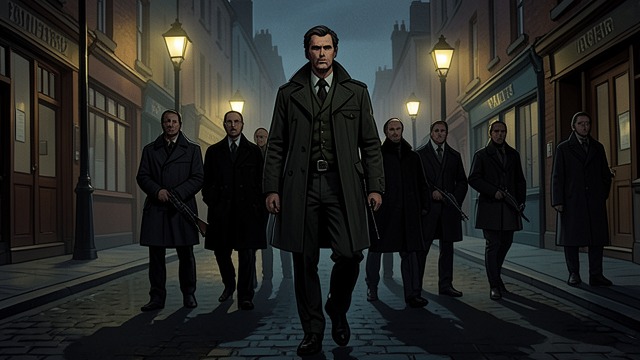
The Local Commander
A street-level leader
Brendan Hughes leads a small, active unit in West Belfast and shares danger directly with his volunteers. His presence and competence make him a celebrated figure among local republicans.
The community as terrain
He moves through a network of safe houses and local relationships. British forces view his area as hostile territory and seek to identify and capture him.
Bloody Friday and Guilt
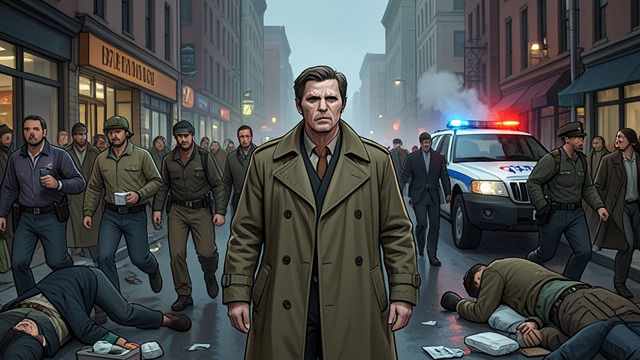
An Operation Overwhelms the City
Too many bombs
Hughes helps organize a mass bombing operation intended to damage commercial infrastructure. The scale exceeds the authorities’ ability to manage warnings and evacuations.
Civilian deaths
Nine people die and many more are injured. Hughes later says he did not intend to kill civilians, but the event becomes a lasting source of regret and political contradiction.
Escape in a Mattress
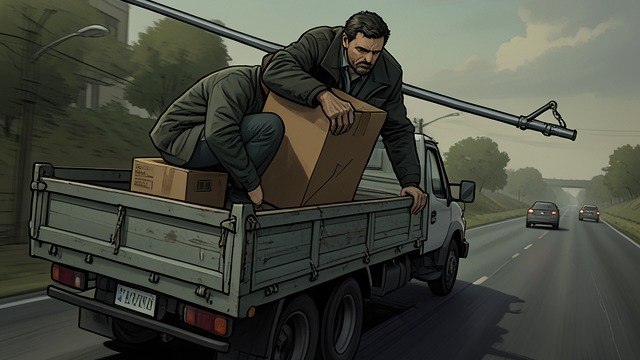
Flight from Long Kesh
A dangerous plan
Hughes hides inside a discarded mattress on a prison rubbish lorry. A security spike nearly strikes him as the vehicle prepares to leave.
A fragile escape
He reaches the road and finds himself in hostile territory without the arranged car. His escape demonstrates his tactical nerve but leaves him exposed and on the run again.
Arthur McAllister
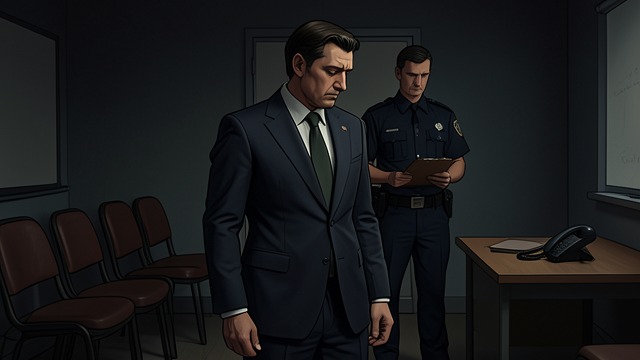
An Altered Identity
Returning undercover
Hughes creates a middle-class toy-salesman persona and moves through Belfast under an assumed identity. The disguise lets him travel across sectarian boundaries and continue operations.
A compromised refuge
Authorities locate his house and arrest him with weapons and intercepted army communications. He refuses money and recruitment offers, but his freedom and operational role end.
The Disillusioned Veteran
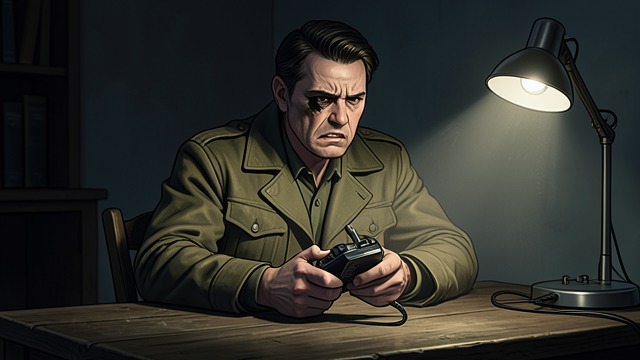
A Comrade Becomes an Accuser
Peace without victory
Hughes believes the Good Friday Agreement leaves British rule intact and that the movement concealed its willingness to compromise. He directs his anger toward Gerry Adams, once his closest comrade.
Tapes and a final judgment
In interviews with Anthony McIntyre, Hughes recounts operations, guilt, and the McConville case. He dies before the recordings’ legal consequences are fully known.
1970–1972
July 1972
December 1973
1974
2001–2008
